
Exploring effective strategies to overcome severe mental suffering, this guide delves into practical coping mechanisms that can make a significant difference in individuals' lives. From mindfulness techniques to the importance of self-care, this topic is both enlightening and crucial for those struggling with mental health challenges.
Providing valuable insights and actionable tips, this guide aims to empower individuals to take control of their mental well-being and find inner peace amidst the storm of severe mental suffering.
Understanding Severe Mental Suffering
Severe mental suffering refers to intense emotional distress that significantly impairs an individual's ability to function and cope with daily life.
Impact of Severe Mental Suffering
Severe mental suffering can have a profound impact on an individual's daily life, affecting various aspects such as:
- Ability to maintain relationships
- Performance at work or school
- Physical health and well-being
Conditions Leading to Severe Mental Suffering
Several conditions can lead to severe mental suffering, including:
- Post-Traumatic Stress Disorder (PTSD)
- Major Depressive Disorder
- Generalized Anxiety Disorder
- Obsessive-Compulsive Disorder (OCD)
Importance of Seeking Professional Help
:max_bytes(150000):strip_icc()/forty-healthy-coping-skills-4586742_v61-4e1f6f67b5a14bf1abd0e3a472a069d2.png "Healthy Coping Skills for Uncomfortable Emotions") Seeking professional help is vital for individuals experiencing severe mental suffering. Mental health professionals play a crucial role in providing support, guidance, and treatment to help individuals navigate their struggles and improve their overall well-being.Therapy and counseling offer numerous benefits for those dealing with severe mental suffering. These professionals are trained to offer evidence-based interventions tailored to the individual's specific needs. Through therapy, individuals can explore their thoughts and emotions in a safe and non-judgmental space, gaining insights into their struggles and learning coping strategies to manage their symptoms effectively.
Seeking professional help is vital for individuals experiencing severe mental suffering. Mental health professionals play a crucial role in providing support, guidance, and treatment to help individuals navigate their struggles and improve their overall well-being.Therapy and counseling offer numerous benefits for those dealing with severe mental suffering. These professionals are trained to offer evidence-based interventions tailored to the individual's specific needs. Through therapy, individuals can explore their thoughts and emotions in a safe and non-judgmental space, gaining insights into their struggles and learning coping strategies to manage their symptoms effectively.Role of Mental Health Professionals
Mental health professionals, such as psychologists, psychiatrists, counselors, and social workers, are equipped with the knowledge and skills to assess, diagnose, and treat various mental health conditions. They can provide a range of therapeutic interventions, including cognitive-behavioral therapy, dialectical behavior therapy, and psychodynamic therapy, among others.Benefits of Therapy and Counseling
- Helps individuals gain a better understanding of their emotions and behaviors. - Provides coping strategies to manage symptoms and improve mental health. - Offers a safe and confidential space to express thoughts and feelings. - Supports individuals in developing healthy relationships and communication skills.When to Seek Professional Help
It is crucial to seek professional help when experiencing persistent and severe symptoms of mental suffering that interfere with daily functioning. Some signs that indicate the need for professional intervention include: - Persistent feelings of sadness, hopelessness, or worthlessness. - Difficulty coping with stress and everyday challenges. - Changes in sleep patterns, appetite, or energy levels. - Thoughts of self-harm or suicide.Remember, reaching out for help is a sign of strength, and mental health professionals are here to support you on your journey towards healing and recovery.Practical Coping Mechanisms
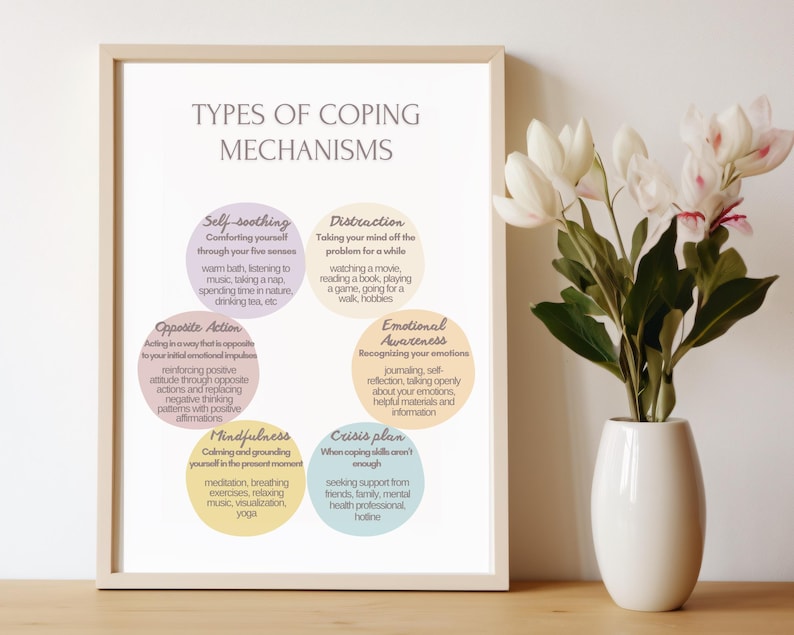
In dealing with severe mental suffering, it is crucial to have practical coping mechanisms in place to help manage the challenges effectively. These mechanisms can provide support and relief during difficult times.Mindfulness and Relaxation Techniques
- Practicing mindfulness through meditation, deep breathing, or yoga can help calm the mind and reduce anxiety levels.
- Engaging in relaxation techniques such as progressive muscle relaxation or visualization exercises can aid in stress reduction and promote a sense of calmness.
- Setting aside time each day for self-care activities like taking a warm bath, listening to calming music, or going for a walk in nature can also be beneficial for mental well-being.
Establishing a Support System
- Building a strong support system of friends, family members, or mental health professionals can provide emotional assistance and guidance during challenging times.
- Joining a support group or online community with individuals who understand your struggles can offer a sense of belonging and understanding.
- Regularly communicating with trusted individuals and seeking their support can help alleviate feelings of isolation and loneliness.
Managing Stress and Anxiety
- Practicing good time management and setting realistic goals can help reduce feelings of overwhelm and stress.
- Engaging in regular physical activity, such as exercise or yoga, can release endorphins and improve mood.
- Implementing healthy coping mechanisms like journaling, painting, or engaging in hobbies can provide a creative outlet for processing emotions.
Self-Care Practices
Self-care is crucial in overcoming severe mental suffering as it helps individuals prioritize their well-being and manage stress effectively.
The Importance of Self-Care Routine
Establishing a self-care routine tailored to address mental health challenges can significantly improve overall well-being. Here are some tips to consider:
- Set aside dedicated time for self-care activities such as meditation, journaling, or engaging in hobbies that bring joy.
- Practice mindfulness to stay present and reduce anxiety levels.
- Ensure you get enough rest and quality sleep to recharge your mind and body.
- Learn to set boundaries and say no to activities or commitments that drain your energy.
Impact of Physical Exercise and Nutrition
Physical exercise and proper nutrition play a vital role in promoting mental well-being. Here's how they can positively impact mental health:
- Regular exercise releases endorphins, the feel-good hormones, which can help reduce symptoms of anxiety and depression.
- Eating a balanced diet rich in fruits, vegetables, whole grains, and lean proteins provides essential nutrients for brain function and mood regulation.
- Stay hydrated and limit consumption of caffeine and alcohol, as they can affect mood and exacerbate feelings of anxiety.
- Consult a healthcare professional or nutritionist to create a personalized diet plan that supports mental health.
Alternative Therapies and Activities
 Art therapy, music therapy, and other creative outlets play a crucial role in managing mental health struggles. Engaging in hobbies or activities that bring joy and relaxation can significantly help in coping with severe mental suffering. Let's explore some alternative therapies that have shown positive results in improving mental health.
Art Therapy
Art therapy involves using creative techniques to improve mental well-being. By expressing emotions through art, individuals can process trauma, reduce stress, and increase self-awareness. This form of therapy can be particularly beneficial for those who find it challenging to verbalize their feelings.Music Therapy
Music therapy uses music as a tool to address emotional, cognitive, and social needs. Listening to or creating music can help regulate emotions, reduce anxiety, and enhance overall mood. Music therapy is especially effective for individuals struggling with depression or PTSD.Dance Therapy
Dance therapy combines movement and psychological processes to promote emotional, cognitive, and physical integration. Through dance, individuals can release tension, improve body awareness, and enhance self-esteem. This form of therapy is particularly helpful for those looking to connect their mind and body in a therapeutic way.Nature Therapy
Nature therapy, also known as ecotherapy, involves connecting with nature to improve mental well-being. Spending time outdoors, engaging in activities like gardening or hiking, can reduce stress, alleviate symptoms of anxiety and depression, and increase feelings of calmness and relaxation.Yoga and Meditation
Yoga and meditation practices focus on mindfulness, breathing techniques, and physical postures to promote relaxation and reduce stress. These practices can help individuals cultivate a sense of inner peace, improve focus, and enhance emotional well-being. Integrating yoga and meditation into daily routines can have a profound impact on mental health.Building Resilience and Positive Mindset
Cultivating resilience and maintaining a positive mindset are crucial aspects of overcoming severe mental suffering. Resilience allows individuals to bounce back from challenges and setbacks, while a positive mindset can help in maintaining hope and motivation during difficult times.Strategies for Fostering a Positive Mindset
During challenging times, it is important to focus on the following strategies to foster a positive mindset:
- Acknowledge and accept your emotions without judgment.
- Practice gratitude by reflecting on the things you are thankful for.
- Engage in activities that bring you joy and relaxation.
- Surround yourself with supportive and positive people.
- Challenge negative thoughts and replace them with more positive and realistic ones.
Importance of Setting Realistic Goals and Celebrating Small Victories
Setting realistic goals and celebrating small victories play a significant role in the recovery process from severe mental suffering. It helps individuals to:
- Break down larger challenges into manageable steps.
- Track progress and acknowledge achievements along the way.
- Boost confidence and motivation to continue moving forward.
- Foster a sense of accomplishment and empowerment.
Final Wrap-Up
In conclusion, adopting these practical coping mechanisms can pave the way for a brighter and healthier future, offering hope and resilience in the face of severe mental suffering. By prioritizing self-care, seeking professional help when needed, and embracing alternative therapies, individuals can navigate through their struggles with strength and determination.
Quick FAQs
How can mindfulness help in overcoming severe mental suffering?
Mindfulness can help individuals stay present, manage overwhelming emotions, and reduce anxiety levels, ultimately promoting a sense of calm and clarity amidst the chaos of severe mental suffering.
What are some effective self-care practices for addressing severe mental suffering?
Engaging in activities that bring joy, setting boundaries to protect mental well-being, practicing relaxation techniques, and prioritizing physical health through exercise and nutrition are all crucial self-care practices for overcoming severe mental suffering.
Are alternative therapies like art or music therapy effective in managing mental health struggles?
Yes, alternative therapies such as art and music therapy have shown promising results in helping individuals express emotions, reduce stress, and find new ways to cope with severe mental suffering, offering a creative outlet for healing.