
Integrating Trip Action with Your Existing Accounting Software sets the stage for this enthralling narrative, offering readers a glimpse into a story that is rich in detail and brimming with originality. This integration presents a seamless way to manage expenses effectively and streamline processes, revolutionizing the way businesses handle financial data.
As we delve deeper into the intricacies of this integration, we uncover a world where efficiency and accuracy go hand in hand, providing a robust solution for businesses seeking to optimize their accounting practices.
Overview of Integrating Trip Action with Your Existing Accounting Software
Integrating Trip Action with your existing accounting software can bring numerous benefits to your expense management processes. By seamlessly connecting these two systems, you can streamline the tracking, reporting, and reimbursement of travel expenses, ultimately saving time and reducing errors.
Benefits of Integration
- Automated Expense Reporting: Integration allows for automatic syncing of travel expenses from Trip Action to your accounting software, eliminating the need for manual data entry.
- Real-Time Visibility: You can gain real-time insights into travel spending and budget allocation, enabling better financial decision-making.
- Enhanced Compliance: Integration helps ensure that all travel expenses are accurately recorded and compliant with company policies and tax regulations.
Seamless Integration for Streamlined Processes
Integrating Trip Action with popular accounting software such as QuickBooks, Xero, or SAP Concur can significantly improve the efficiency of your expense management workflows. With seamless integration, employees can easily submit expenses, managers can review and approve them quickly, and finance teams can process reimbursements with ease.
Examples of Accounting Software that Can be Integrated
- QuickBooks: A widely used accounting software that offers seamless integration with Trip Action for easy expense tracking and reporting.
- Xero: Another popular choice that allows for efficient synchronization of travel expenses with accounting records.
- SAP Concur: A comprehensive expense management solution that integrates seamlessly with Trip Action to provide end-to-end visibility and control over travel spend.
Setting Up Integration
Setting up the integration between Trip Action and your existing accounting software is essential for seamless data flow and accurate financial tracking. Follow the steps below to ensure a successful setup:
Connecting Trip Action with Accounting Software
- Log in to your Trip Action account and navigate to the integration settings.
- Choose your accounting software from the list of available options.
- Follow the on-screen instructions to authorize Trip Action to access your accounting data.
- Verify the connection between Trip Action and your accounting software to ensure data synchronization.
Data Synchronization Process
Once the integration is set up, the data synchronization process between Trip Action and your accounting software will occur automatically. Here's how the data flows between the two systems:
- Expense data from Trip Action, including receipts and transaction details, is sent to your accounting software.
- Income data from your accounting software, such as revenue and payment information, is synced back to Trip Action.
- Regular synchronization intervals ensure that both systems are up-to-date with the latest financial information.
Customization Options
During the setup process, you may have access to customization options to tailor the integration according to your specific needs. Some common customization options include:
- Mapping of expense categories between Trip Action and your accounting software for consistent reporting.
- Setting up approval workflows to ensure compliance with company policies before data is synced.
- Configuring tax settings to accurately reflect tax rates and calculations in both systems.
Managing Expenses and Reports
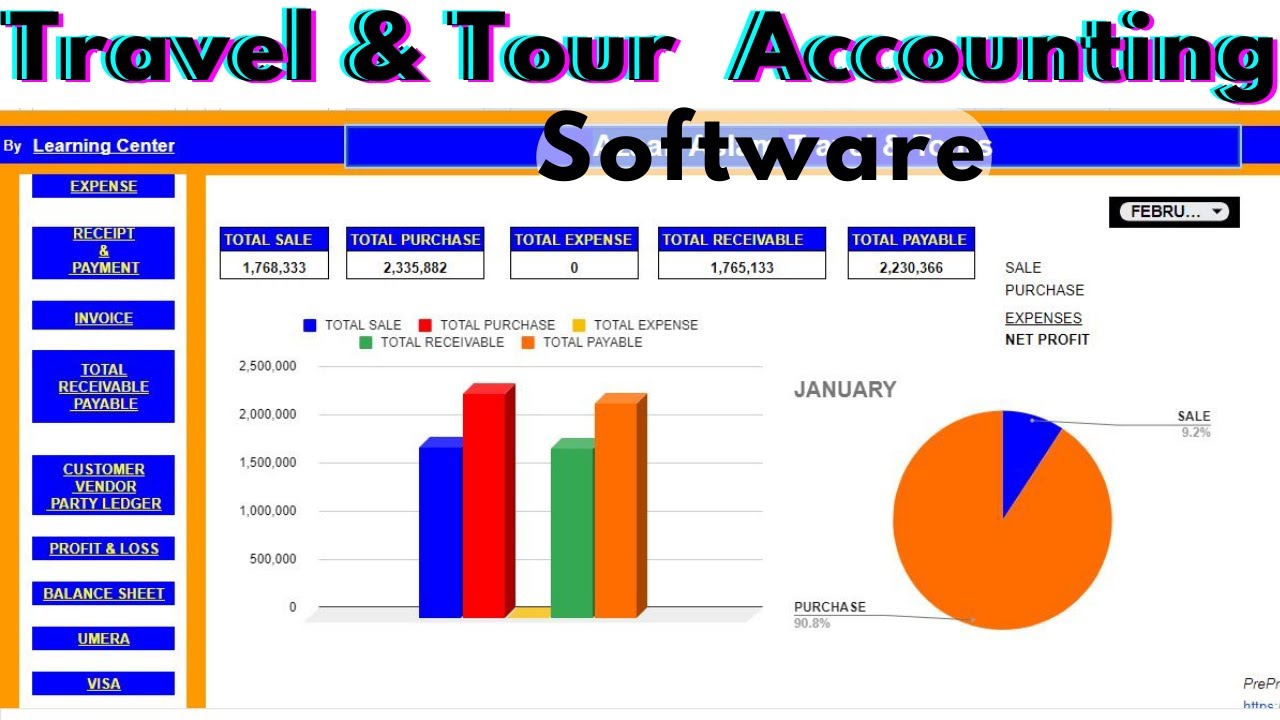 Expense tracking and reporting are crucial aspects of managing business finances effectively. When integrating Trip Action with your existing accounting software, the process of managing expenses and generating reports becomes more streamlined and efficient.
Expense Tracking and Categorization
Once integrated, expense data from Trip Action is automatically categorized based on predefined rules set up during the integration process. This ensures that expenses are accurately recorded and allocated to the correct accounts in your accounting software. The categorization process eliminates manual errors and saves time on data entry.- Expense data is transferred seamlessly between Trip Action and the accounting software, providing real-time updates on spending and budget tracking.
- Automated categorization allows for better visibility into different expense categories, such as travel, accommodation, meals, and transportation.
- Customizable reporting features enable you to generate detailed expense reports that provide insights into spending patterns, cost-saving opportunities, and compliance with company policies.
Tips for Effective Expense Management
Effective expense management is essential for maintaining financial health and making informed business decisions. Here are some tips to help you manage expenses and generate reports post-integration:- Regularly review and reconcile expense data to ensure accuracy and compliance with accounting standards.
- Utilize expense tracking tools within Trip Action to monitor spending in real-time and identify any discrepancies or unauthorized expenses.
- Set up approval workflows for expenses to ensure proper authorization before they are recorded in the accounting software.
- Leverage reporting functionalities to analyze spending trends, track budget variances, and optimize cost-saving initiatives.
- Train employees on proper expense reporting procedures and the importance of timely submission to maintain financial transparency.
Ensuring Data Security and Compliance
When integrating Trip Action with your existing accounting software, it is crucial to prioritize data security and compliance to protect sensitive financial information.
Security Measures
- Encryption: All data transmissions between Trip Action and your accounting software are encrypted using industry-standard encryption protocols such as SSL/TLS to prevent unauthorized access.
- Access Control: Role-based access control mechanisms ensure that only authorized personnel can view or modify financial data.
- Regular Audits: Conduct regular security audits to identify and address any vulnerabilities in the integration process.
Compliance Requirements
- GDPR Compliance: Ensure that the integration process complies with the General Data Protection Regulation (GDPR) to protect the personal data of EU citizens.
- Financial Regulations: Adhere to financial regulations such as Sarbanes-Oxley (SOX) Act or Payment Card Industry Data Security Standard (PCI DSS) to maintain data integrity and security.
Encryption Methods
Encryption plays a vital role in securing data during transmission. Some common encryption methods used in integrating Trip Action with accounting software include:
- SSL/TLS Encryption: Secure Socket Layer (SSL) and Transport Layer Security (TLS) protocols encrypt data in transit to ensure secure communication.
- AES Encryption: Advanced Encryption Standard (AES) is a symmetric encryption algorithm widely used to protect data confidentiality.
- RSA Encryption: Rivest-Shamir-Adleman (RSA) encryption is an asymmetric encryption algorithm used for secure key exchange and digital signatures.
Troubleshooting Integration Issues
When integrating Trip Action with your existing accounting software, users may encounter certain challenges that can affect the data syncing process. It is essential to be aware of these issues and know how to resolve them effectively to ensure a seamless integration experience.Common Integration Challenges and Solutions
- One common issue users face is data not syncing properly between Trip Action and the accounting software. This can be due to incorrect configuration settings or connectivity issues. To resolve this, double-check the integration settings to ensure they are correctly set up. Additionally, verify that there are no network or firewall restrictions blocking the data transfer.
- Another challenge users may encounter is duplicate entries in the accounting software after syncing with Trip Action. This can happen if there are discrepancies in the data mapping or if there are duplicate transactions in Trip Action. To address this, review the data mapping configuration and ensure that each data field is correctly mapped to the corresponding field in the accounting software. You can also manually remove any duplicate entries to avoid confusion.
- Users may also face issues with missing or incomplete data during the syncing process. This could be caused by errors in the data extraction or transformation process. To troubleshoot this, check the data extraction settings in Trip Action to ensure that all necessary data fields are being captured accurately. You can also review the transformation rules to see if any adjustments are needed to prevent data loss.
Best Practices for Troubleshooting Data Syncing Problems
- Regularly monitor the data syncing process to identify any inconsistencies or errors early on. This proactive approach can help prevent major issues from occurring and ensure a smooth integration experience.
- Keep detailed records of any changes made to the integration settings or mapping configurations. This documentation can be helpful when troubleshooting syncing problems and can provide insights into potential causes of issues.
- Utilize the resources and support channels provided by Trip Action and the accounting software vendor. These platforms often offer troubleshooting guides, FAQs, and customer support services to assist users in resolving integration issues effectively.
Support Channels for Integration Issues
- If you encounter persistent integration issues despite troubleshooting efforts, reach out to Trip Action's customer support team for assistance. They can provide personalized guidance and support to help resolve any complex syncing problems you may be facing.
- Additionally, consult the documentation and knowledge base resources available from both Trip Action and your accounting software provider. These resources can offer valuable insights and solutions to common integration challenges, helping you overcome syncing issues efficiently.
Final Conclusion
In conclusion, the integration of Trip Action with your existing accounting software opens up a realm of possibilities, enhancing productivity and accuracy in expense management. By seamlessly connecting these systems, businesses can achieve greater efficiency and control over their financial data, paving the way for a more streamlined and effective approach to accounting.
Questions and Answers
How can integrating Trip Action with accounting software benefit businesses?
Integrating Trip Action with accounting software can streamline expense management processes, improve accuracy in financial data tracking, and enhance overall efficiency in handling expenses.
What are some popular accounting software options that can be integrated with Trip Action?
Popular accounting software like QuickBooks, Xero, and FreshBooks are commonly integrated with Trip Action for seamless data synchronization and expense tracking.
How is expense data categorized and transferred between Trip Action and accounting software?
Expense data is categorized based on predefined criteria and seamlessly transferred between Trip Action and accounting software through secure data synchronization protocols.
What security measures are in place to protect financial data during integration?
Security measures such as encryption methods, access controls, and compliance protocols are implemented to safeguard sensitive financial data during the integration process.
What are some common integration challenges users may face, and how can they be resolved?
Common integration challenges include data syncing issues, compatibility issues, and setup errors. Users can resolve these challenges by following detailed troubleshooting steps provided by support resources.