

Exploring the ways in which schools can actively engage in National Nutrition Month, this introduction sets the stage for a comprehensive discussion on promoting healthy lifestyles among students.
As we delve deeper into the topic, we will uncover the various strategies and collaborations that schools can undertake to foster a culture of nutrition and well-being within their educational environments.
Importance of National Nutrition Month for Schools
National Nutrition Month holds great importance for schools as it serves as a dedicated time to raise awareness about the significance of healthy eating habits among students. By actively participating in this month-long campaign, schools can reinforce the importance of nutrition in overall well-being and academic performance.Promoting nutrition aligns perfectly with the educational mission of schools, as it not only ensures the physical health of students but also contributes to their cognitive development. When students have access to nutritious meals and learn about making healthy food choices, they are better equipped to focus in class, retain information, and perform well academically.Positive Impact on Health and Well-being
Participating in National Nutrition Month can positively impact the health and well-being of students in various ways. Schools can organize activities such as healthy cooking workshops, nutrition awareness sessions, and fruit and vegetable tastings to educate students about the importance of a balanced diet. By instilling these healthy habits early on, schools can help students develop a positive relationship with food and make informed choices that benefit their overall health.Additionally, promoting nutrition in schools can help reduce the risk of obesity, diabetes, and other diet-related diseases among students. By fostering a culture of wellness and healthy eating, schools play a crucial role in shaping the long-term health outcomes of their students and empowering them to lead healthier lives.Ways Schools Can Promote Nutrition Awareness
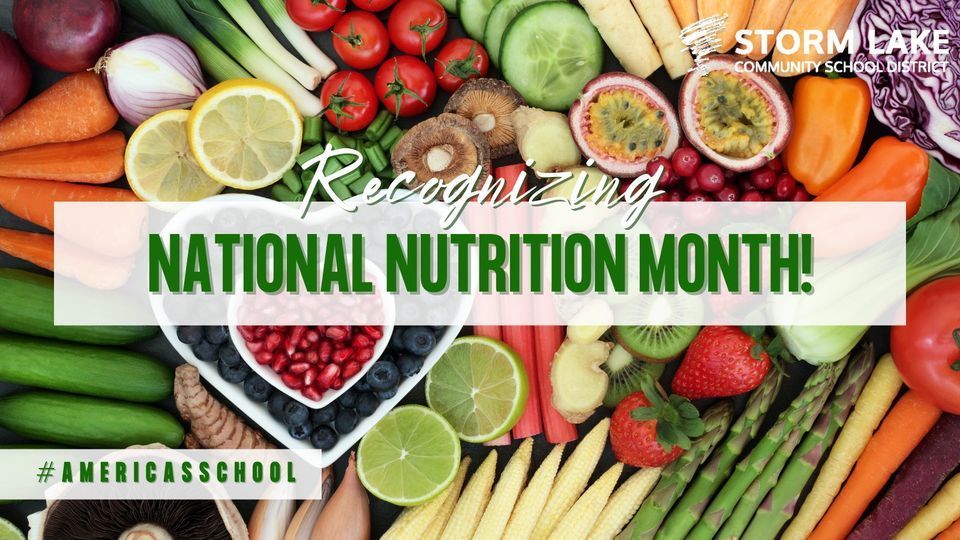
Educating students about nutrition is crucial for their overall health and well-being. Schools play a significant role in promoting nutrition awareness and instilling healthy eating habits in students.
Implement Nutrition Education Programs
- Integrate nutrition education into the curriculum across different subjects such as science, home economics, and physical education.
- Invite nutritionists or dietitians to conduct workshops or seminars for students, teachers, and parents.
- Organize cooking classes to teach students how to prepare healthy and balanced meals.
Create a Healthy Food Environment
- Offer nutritious food options in the school cafeteria and vending machines.
- Encourage students to bring healthy snacks from home and limit access to sugary and high-fat foods.
- Establish a school garden where students can grow fruits and vegetables, promoting hands-on learning about nutrition.
Engage Students in Interactive Activities
- Organize taste tests of new fruits and vegetables to introduce students to a variety of healthy foods.
- Hold nutrition-themed contests or challenges to make learning about nutrition fun and engaging.
- Create nutrition-related games or puzzles that reinforce the importance of making healthy food choices.
Collaborating with Food Services
Collaborating with food services is crucial for schools to provide nutritious meal options to students. By working together, schools can ensure that students have access to balanced and healthy meals throughout the dayImportance of Involving Food Services
Involving food services in promoting healthy eating habits is essential as they play a key role in meal planning and preparation. Food service staff can help create menus that meet nutritional standards and cater to the dietary needs of students. Their involvement can also ensure that meals are appealing and enjoyable for students, encouraging them to make healthier food choices.Benefits of Sourcing Local and Fresh Ingredients
- Local and fresh ingredients are often more nutritious as they retain their natural flavors and nutrients.
- Sourcing ingredients locally supports the community and reduces the environmental impact of transporting food long distances.
- By using fresh ingredients, schools can offer meals that are free from preservatives and additives, promoting overall health and well-being.
- Students are more likely to enjoy and appreciate meals made with fresh, local ingredients, leading to increased participation in school meal programs.
Engaging Parents and the Community
Engaging parents and the community in promoting nutrition is crucial for the overall well-being of students. When schools involve parents and the local community, they create a supportive environment that reinforces healthy eating habits both at school and at home.Involving Parents in Supporting Healthy Eating at Home
- Provide resources and educational materials for parents on nutrition and healthy eating habits.
- Organize workshops or seminars for parents to learn about meal planning, balanced diets, and healthy cooking methods.
- Encourage parents to pack nutritious lunches and snacks for their children, emphasizing the importance of whole foods over processed snacks.
- Communicate regularly with parents about the school's nutrition initiatives and involve them in decision-making processes.
Impact of Community Partnerships on Creating a Culture of Wellness
Community partnerships play a vital role in creating a culture of wellness within the school environment. By collaborating with local organizations, businesses, and health professionals, schools can:- Host community events focused on nutrition education, cooking demonstrations, and healthy eating practices.
- Establish school gardens or farmers' markets to promote access to fresh produce and hands-on learning opportunities.
- Partner with local restaurants or food suppliers to offer healthy meal options in school cafeterias.
- Engage community members as volunteers or guest speakers to share their knowledge and expertise on nutrition and wellness.
Outcome Summary
In conclusion, by actively participating in National Nutrition Month, schools have the opportunity to make a lasting impact on the health and wellness of their students, laying the foundation for lifelong healthy habits.
Essential FAQs
How can schools involve students in planning nutrition-related activities?
Schools can create student-led committees or clubs focused on nutrition, where students can brainstorm ideas for activities and initiatives. This involvement enhances student engagement and ownership of the programs.
What are some creative ways schools can promote nutrition education beyond the classroom?
Schools can organize cooking classes, nutrition-themed competitions, or gardening projects to provide hands-on experiences that reinforce healthy eating habits outside of traditional classroom settings.
How can schools effectively communicate with parents about the importance of nutrition during National Nutrition Month?
Schools can use newsletters, workshops, and social media to share information about nutrition initiatives and encourage parental involvement in promoting healthy habits at home.